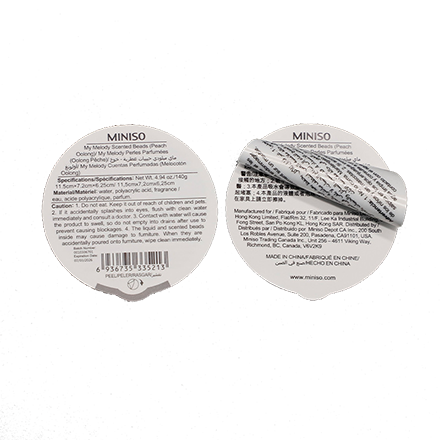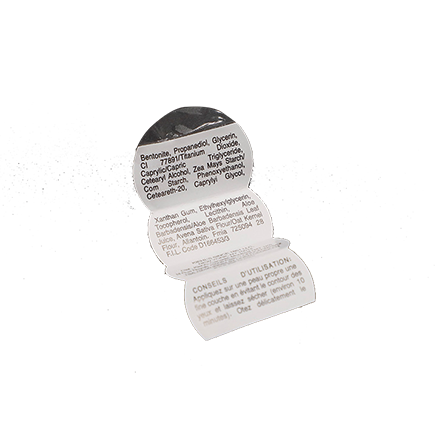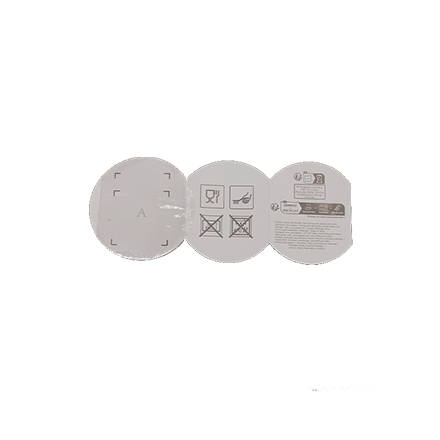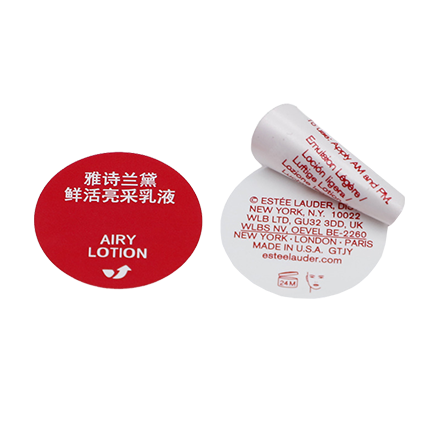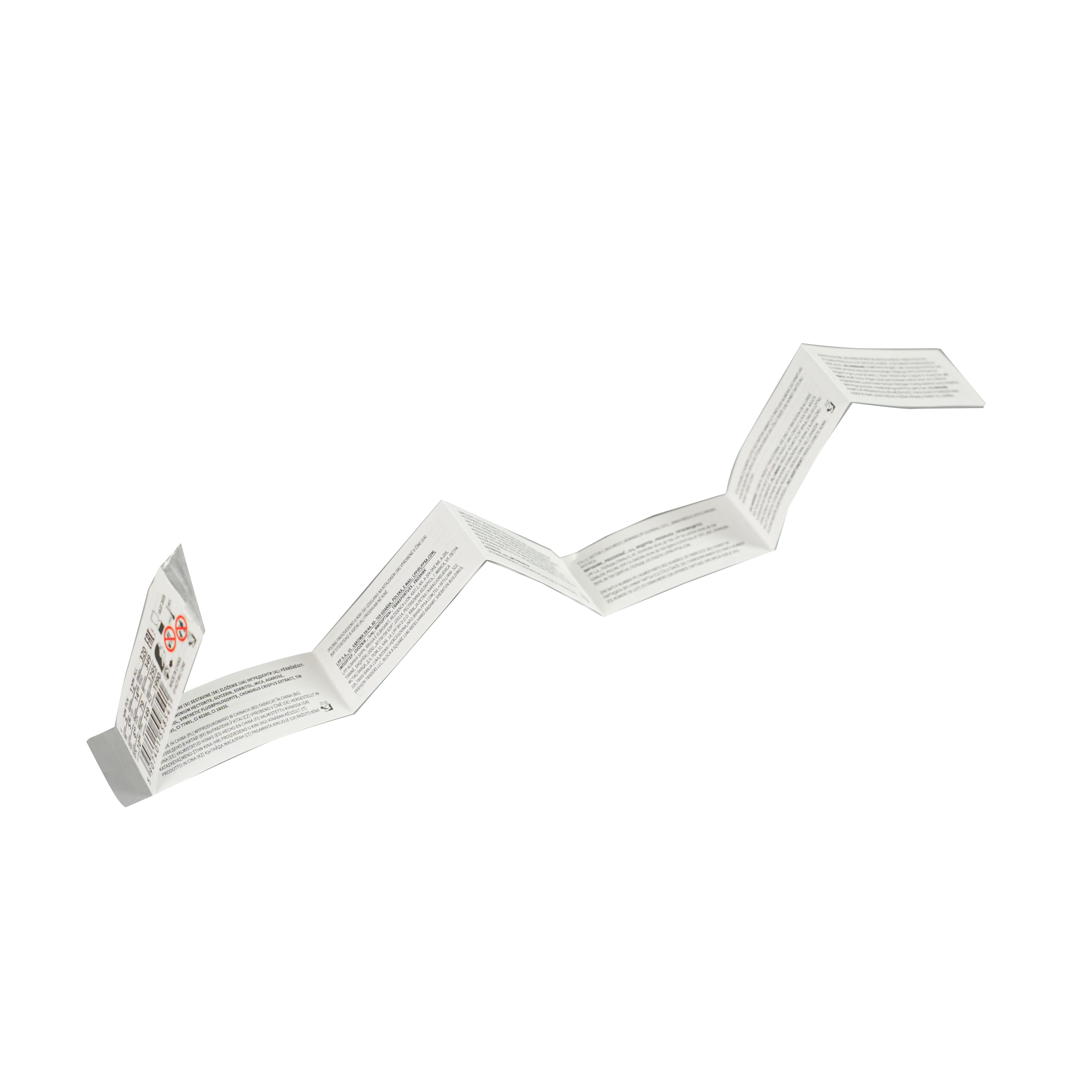
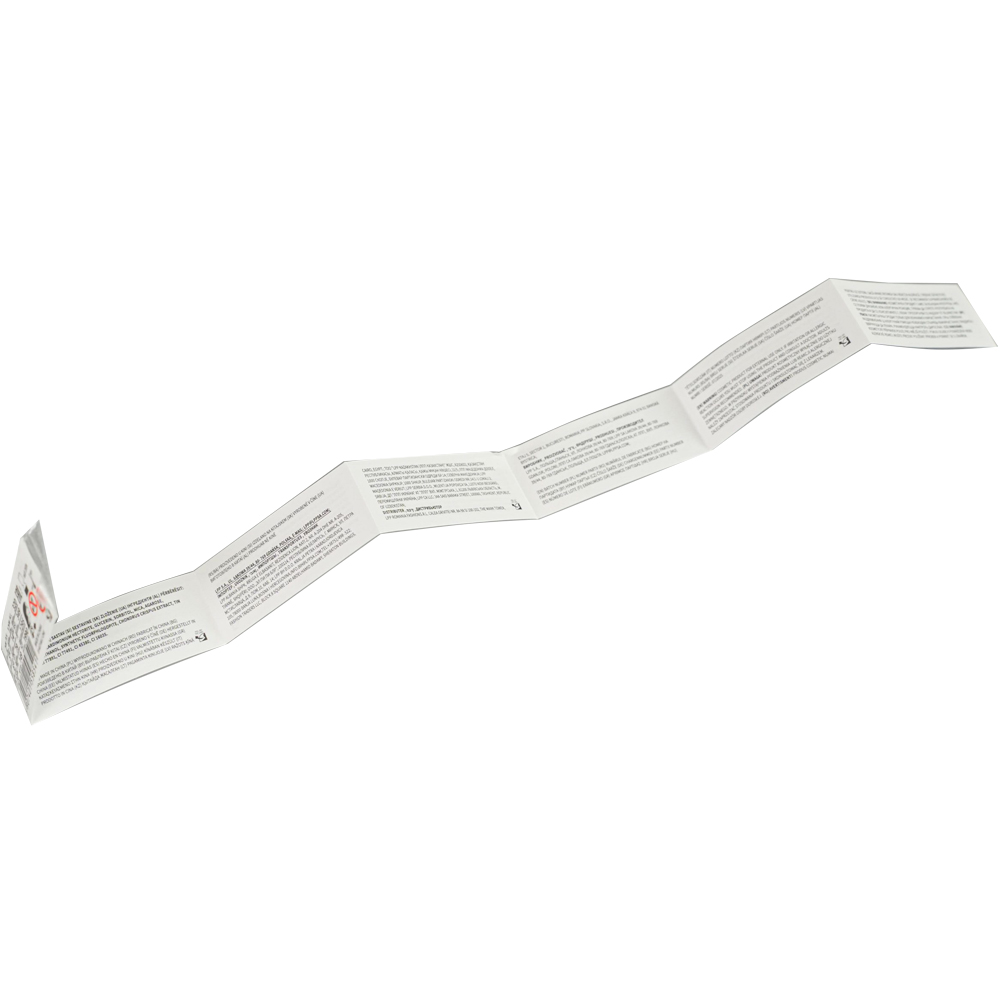
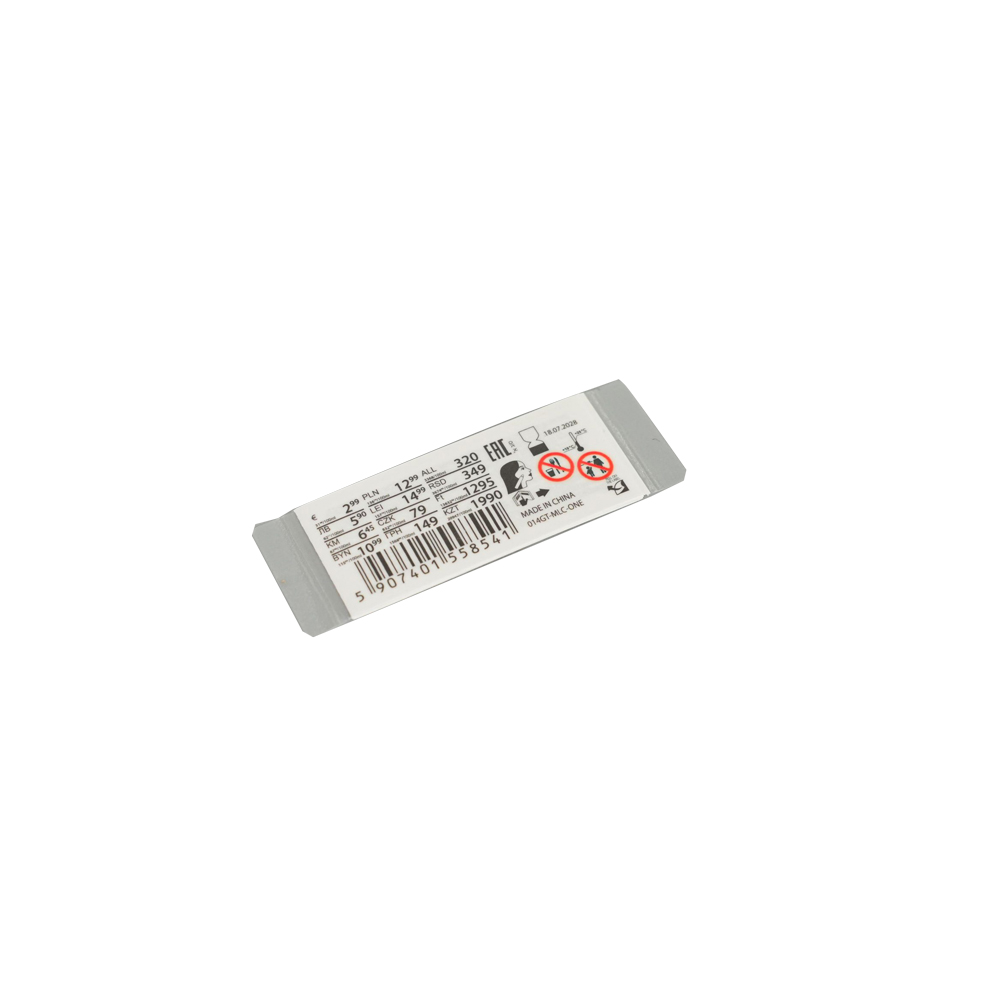
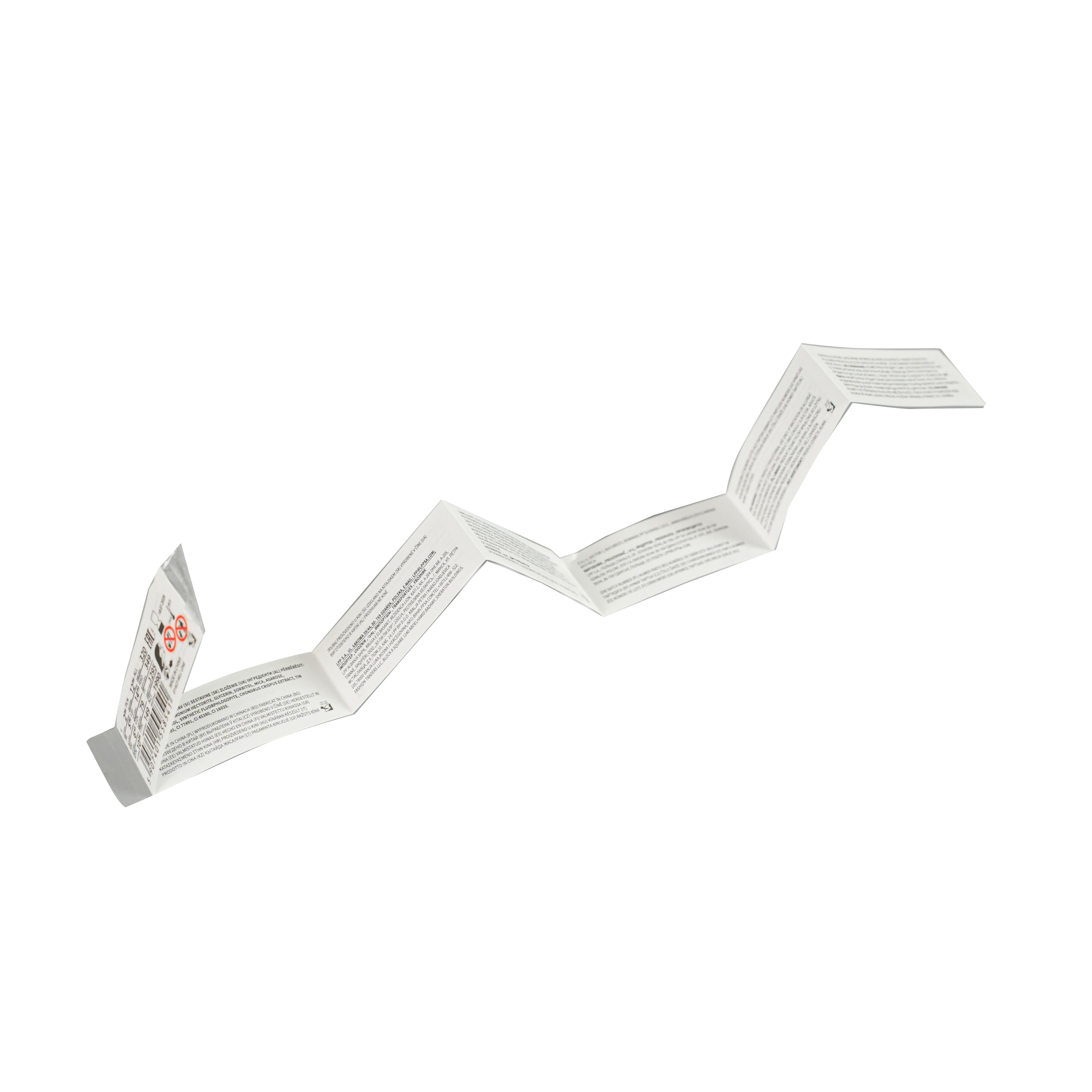
booklet labels are multi-page labels designed for products that need more information than a conventional label can accommodate. Also known as extended content labels (ECL), multi-page labels, or extended text labels, Booklet Labels combine a compact pressure-sensitive label format with additional printable pages.
For manufacturers, brand owners, packaging companies, and distributors, this format provides a practical way to add detailed instructions, regulatory information, multilingual content, safety warnings, ingredients, dosage information, promotional messages, and product information without significantly increasing the label footprint.
JINXIN provides custom booklet label solutions for packaging applications where information capacity, adhesion, print quality, durability, and efficient application all need to be considered together.
A booklet label is a pressure-sensitive label incorporating a folded or multi-page printed booklet into the label construction. When closed, it maintains a compact footprint on the package. When opened, the additional pages provide substantially more space for text and graphics.
This makes booklet labels particularly useful when a product has extensive information requirements but limited available packaging space.
Compared with a standard single-panel label, a booklet construction can provide additional printable pages while keeping the primary label area compact. This is why booklet labels are widely used for products requiring detailed instructions, regulatory disclosures, multiple languages, or extensive product information.
Packaging space is often limited, particularly for bottles, tubes, vials, small containers, and other compact products.
Increasing the size of a conventional label may interfere with the package design or reduce the available area for branding. Booklet labels solve this problem by adding printable pages within the existing label footprint.
Depending on the construction, the additional content can include:
Product instructions
Directions for use
Ingredients
Dosage information
Safety warnings
Storage and disposal instructions
Regulatory information
Multilingual content
Technical specifications
QR codes
Promotional information
Coupons and marketing content
This makes booklet labels particularly valuable for information-intensive products.
Pharmaceutical packaging frequently requires detailed product information, including dosage instructions, warnings, precautions, ingredients, storage information, and multilingual content.
A standard label may not provide enough space for all required information. Booklet labels allow manufacturers to integrate additional pages directly onto the package while keeping the primary label compact.
For pharmaceutical applications, material selection, print clarity, adhesive performance, and opening/resealing behavior should be evaluated according to the specific packaging requirements.
Supplement bottles and containers often need to display serving information, ingredients, usage instructions, warnings, nutritional information, and multiple-language content.
Booklet labels can provide additional information space without requiring a larger bottle label, making them suitable for vitamins, dietary supplements, nutraceuticals, and wellness products.
Cosmetic products often require detailed ingredient lists, directions, warnings, claims, and multilingual information.
For small bottles, jars, tubes, and other compact packaging, a booklet label can maintain a clean front-facing design while providing additional information inside the label.
Food products may require ingredients, nutritional information, allergen declarations, preparation instructions, recipes, storage information, and multiple languages.
Booklet labels can provide additional content while preserving the visual area of the primary package. They can also be used for promotional content, recipes, product stories, and consumer engagement.
Chemical, agricultural, and industrial products can require extensive handling instructions, safety information, warnings, storage requirements, application directions, and regulatory content.
Booklet labels provide additional space for this information without requiring a separate printed insert.
This is particularly useful when packaging needs to remain compact while still carrying detailed technical or safety information. Industry suppliers commonly position booklet and extended-content labels for pharmaceutical, chemical, agricultural, and other regulated applications.
The main difference is information capacity.
A standard pressure-sensitive label is suitable when the amount of required information is relatively limited. A booklet label is more appropriate when the product needs several additional pages of content.
| Feature | Standard Label | Booklet Label |
|---|---|---|
| Information Capacity | Limited | Expanded |
| Printable Area | Single panel | Multiple pages |
| Multilingual Content | Limited | Excellent |
| Detailed Instructions | Limited | Suitable |
| Regulatory Information | Limited | Suitable |
| Package Footprint | Compact | Compact |
| Promotional Content | Limited | More flexible |
| Small Packaging | Suitable | Particularly useful |
| Repeated Access | Usually not applicable | Available with resealable constructions |
The objective is not to replace standard labels in every application. Instead, booklet labels are a solution for products where the available label area cannot accommodate the required amount of information.
Booklet labels can be customized according to the packaging, content volume, application method, and required service life.
The number of pages can be determined according to the amount of information that needs to be included.
More pages can accommodate extensive instructions, multilingual content, or regulatory information, while a smaller booklet may be sufficient for basic additional product information.
Folded booklet inserts can create multiple printable panels within a compact label format. Different folding structures can be selected according to the required page arrangement and final label dimensions.
For products where users need to refer to the information repeatedly, resealable booklet labels can allow the booklet to be opened and closed while keeping the information attached to the package.
This is particularly useful for instructions, product directions, dosage information, and technical content. Resealable constructions are also available across the broader extended-content label category.
The label material should be selected according to the application environment.
Possible considerations include:
Paper or synthetic face materials
Moisture resistance
Abrasion resistance
Chemical resistance
UV exposure
Temperature conditions
Surface compatibility
Required service life
For products exposed to moisture, repeated handling, or demanding environments, synthetic materials and protective finishing may provide advantages over conventional paper constructions.
Adhesive performance is particularly important because a booklet label is heavier and more structurally complex than a basic single-panel label.
The adhesive must maintain sufficient contact with the package while supporting the label construction throughout transportation, storage, and product use.
Before selecting an adhesive, manufacturers should consider:
Package material
Smooth or textured surface
Flat or curved container
Application temperature
Service temperature
Humidity and water exposure
Required adhesion strength
Permanent or removable requirements
Expected service life
A label designed for a smooth glass bottle may require a different adhesive solution from one applied to a flexible plastic container or industrial packaging.
For B2B production, adhesive selection should therefore be based on the actual packaging surface and operating environment, not simply on maximum adhesive strength.
Because booklet labels contain significantly more information than conventional labels, print quality and registration are important considerations.
Depending on the project, booklet labels can be produced with different printing technologies and finishing options.
Important considerations include:
High-resolution text printing
Small text and technical information need to remain legible after folding and application.
Multilingual printing
Multiple languages can be incorporated into the additional panels.
Variable information
Certain applications may require variable data, batch information, product codes, or other changing content.
Protective finishing
Lamination, coatings, and other finishing options can help protect printed information from moisture, abrasion, and repeated handling.
The appropriate printing and finishing process depends on the artwork, volume, material, application environment, and required appearance.
For high-volume B2B production, the label needs to work not only as a printed product but also as part of the packaging process.
Important factors include:
Label dimensions
Roll direction
Core size
Label spacing
Adhesive performance
Opening mechanism
Application speed
Container geometry
Automatic label application requirements
Booklet and extended-content labels can be engineered for integration with packaging operations, but the exact construction should be tested against the customer's application equipment and packaging conditions. Industry manufacturers emphasize application-line compatibility as an important consideration for extended-content label projects.
To develop a suitable booklet label, B2B buyers should provide as much application information as possible.
Specify the package material, shape, dimensions, and available labeling area.
Provide the approximate number of pages or amount of text, including languages, instructions, warnings, and regulatory information.
The closed label size and unfolded booklet size should both be considered during design.
Specify whether labels will be applied manually or automatically and provide the relevant packaging-line requirements when applicable.
Indicate whether the product will encounter water, humidity, UV exposure, chemicals, refrigeration, heat, abrasion, or outdoor conditions.
Specify whether the label should be permanent, removable, or resealable.
Providing these details allows the label manufacturer to recommend a more appropriate combination of material, adhesive, booklet structure, printing, and finishing.
JINXIN develops custom label solutions for brands and packaging manufacturers that require more information within a limited label area.
Our booklet label solutions can be customized around the product's dimensions, materials, adhesive requirements, page structure, printing specifications, finishing, and application method.
Whether you need additional space for pharmaceutical instructions, multilingual packaging information, cosmetic ingredients, food information, chemical warnings, or promotional content, booklet labels provide a practical way to expand the printable area without redesigning the entire package.
If you have an existing label specification, artwork, packaging drawing, or sample, it can be used as the starting point for developing a suitable custom booklet label.
Tell us your label size, package material, number of pages, application method, quantity, and performance requirements.
JINXIN can help evaluate the appropriate booklet label structure, material, adhesive, printing, and finishing for your application.

JINXIN Packaging is a printing company focusing on self-adhesive label printing, colour label printing, multi-layer labels, folding lu labels, and at the same time, the company is a printing company that has passed the FSC certification!
Copyright © 2026 JINXIN Packaging All rights reserved. Privacy policy 丨 Terms and conditions


 English