Product Overview
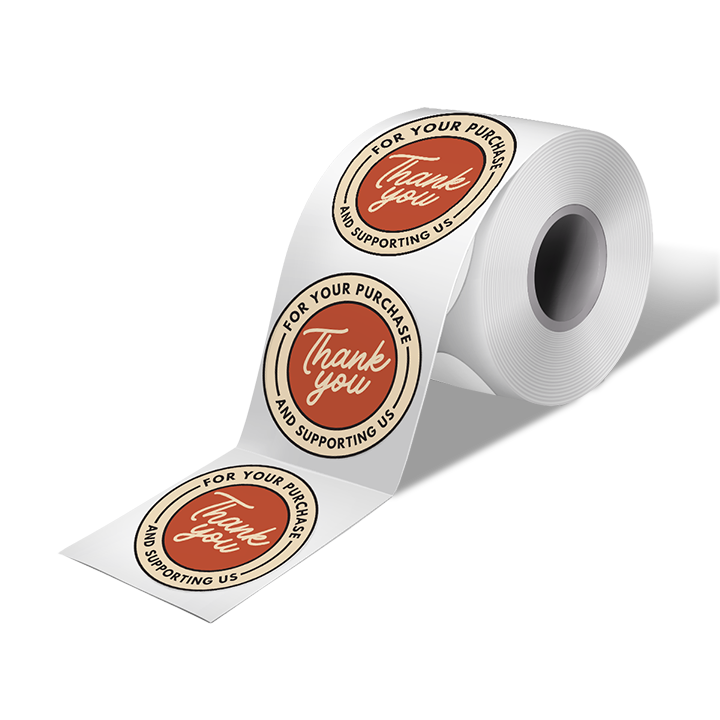
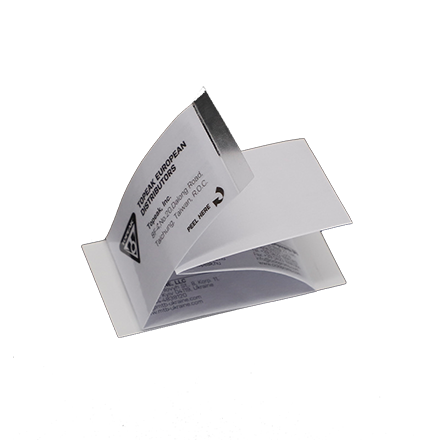
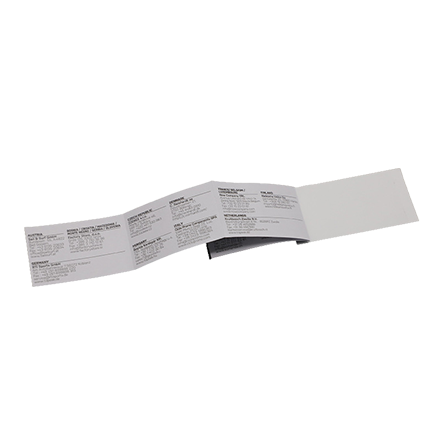
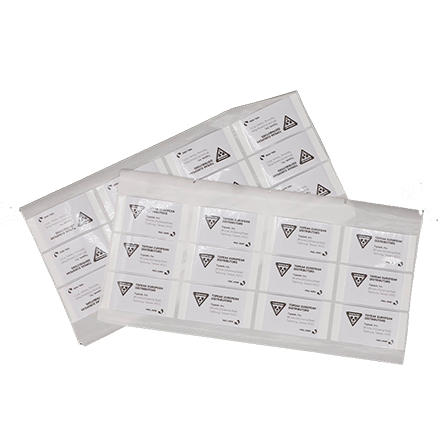
Our Business Sticker Labels are designed specifically for business professionals who strive for professionalism and efficiency. Whether you aim to enhance your brand image, label products, conduct advertising campaigns, or manage assets with Business Sticker Labels, these sticker labels cater to your needs. Crafted with high-quality materials and advanced printing technology, each Business Sticker Label showcases your professionalism and attention to detail.
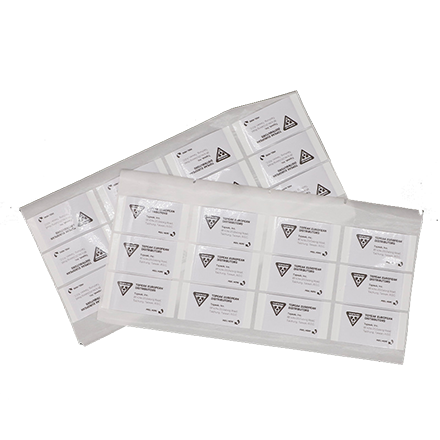
Business Labels for Products are labels affixed to goods or packaging. Their core function is to convey product information, strengthen brand image, and guide consumer purchasing decisions. The following analysis examines them from four dimensions: design elements, functional value, legal regulations, and design trends.
I. Core Design Elements
Brand Identity
**Logo and Brand Colors:** Labels must incorporate core brand visual elements (such as the logo and standard colors) to ensure quick consumer recognition on shelves or online. For example, cosmetic labels often use a combination of brand colors (such as Lancôme's rose pink) and the logo to enhance memorability.
Consistency: Label design must maintain consistency with the brand's overall visual system (such as packaging and advertising) to avoid information confusion. For example, Apple Product Labels use a minimalist style, highly consistent with the brand's tone.
Product Information
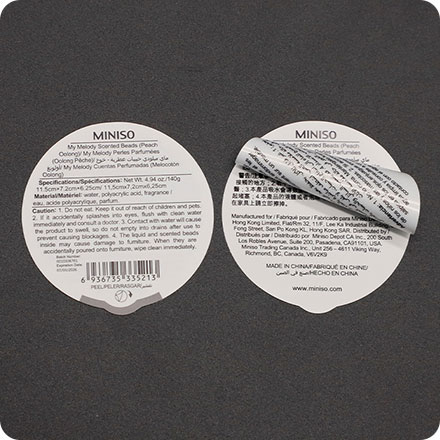
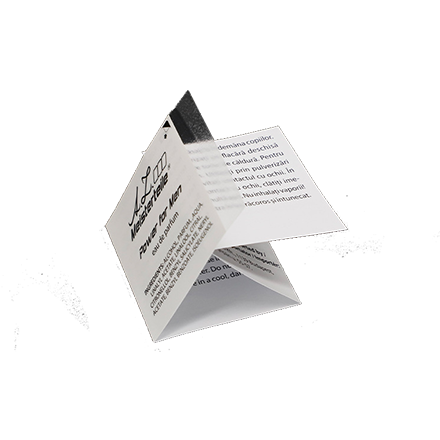
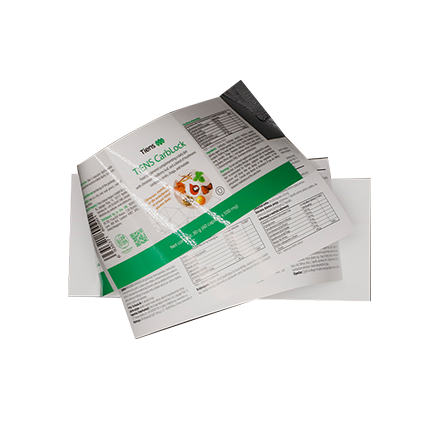
**Basic Information:** This includes product name, specifications (such as weight and volume), ingredient list, production date, and shelf life. For example, food labels must clearly indicate allergen information, and cosmetic labels must list ingredients and usage instructions.
Certification Marks: Certifications such as organic certification, environmental labels, and quality certifications can enhance product credibility. For example, the EU CE certification label is commonly used on electronic products, indicating compliance with safety standards.
Promotional Information
Price Tags: Highlighting prices with eye-catching fonts or colors attracts price-sensitive consumers. For example, supermarket promotional labels often use a red background with yellow text to create a sense of urgency.
Visual Design
Graphics and Illustrations: Conveying product characteristics through illustrations, patterns, or photographic images. For example, children's product labels often use cartoon characters, while food labels may display images of the ingredients.
Materials and Craftsmanship: High-end products may use metallic labels or gold foil stamping to enhance their premium feel; environmentally friendly products use biodegradable materials to echo the brand's philosophy.
II. Design Trends and Innovation Directions
Digitalization and Interactivity
QR Codes and AR Labels: By scanning the QR code on the label, consumers can access product details, usage tutorials, or virtual trial experiences. For example, IKEA furniture labels support AR functionality, allowing users to preview how the furniture will look when placed.
Smart Labels: Such as temperature-sensing labels (for cold chain food) and NFC labels (for product traceability), enhancing functionality and a sense of technology.
Minimalist and Personalized
Minimalist Design: Removing redundant information and highlighting core selling points. For example, MUJI labels use solid color backgrounds and minimalist fonts to convey the "no-brand" concept.
Personalized Customization: Variable data printing technology provides consumers with customized labels (such as names and greetings), enhancing emotional connection. For example, Coca-Cola launched "nickname bottle" labels, which sparked widespread social media buzz.
Sustainable Materials: Labels are made using recyclable paper, biodegradable plastics, or natural materials (such as linen and wood), echoing environmental trends. For example, Lush cosmetics labels use plantable paper with embedded seeds, allowing for the planting of plants after use.
III. Case Studies
Apple Product Labels: The design is simple, containing only the brand logo, product model, and basic information, consistent with the minimalist packaging style, reinforcing a high-end technological image.
Patagonia Apparel Labels: In addition to basic information, they indicate the source of environmentally friendly materials (such as "100% recycled polyester fiber") and carbon emission data from the production process, conveying the brand's sustainability philosophy.
Nike Sneaker Labels: Dynamic designs are used, such as tear-off labels (revealing hidden patterns when torn off), increasing interactivity and fun, attracting younger consumers.
FAQ
Q: What are the key elements of an effective product label?
A: A good label includes the product name, branding, ingredients/features, legal info, and a clear call-to-action. Visual hierarchy and readability are crucial.
Q: How do I choose the right label material for my product?
A: Consider your product's environment (moisture, temperature), packaging surface, and durability needs. Common options include paper, vinyl, polyester, and biodegradable materials.
Q: Are there legal requirements for product labels?
A: Yes, regulations vary by industry and country. Most require product identity, net quantity, manufacturer info, and safety warnings. Always check local compliance laws.
Q: What printing technology works best for product labels?
A: Digital printing suits short runs with variable data, while flexographic printing is cost-effective for large quantities. Consider color accuracy and finish requirements.
Q: How can labels enhance brand recognition?
A: Consistent use of logos, colors, and typography across product lines builds brand identity. Unique shapes or special finishes (foil, embossing) create memorable packaging.
Q: Should I include QR codes on my product labels?
A: QR codes effectively bridge physical products to digital content (instructions, promotions, authenticity verification). Ensure they're scannable and add clear value for consumers.

JINXIN Packaging is a printing company focusing on self-adhesive label printing, colour label printing, multi-layer labels, folding lu labels, and at the same time, the company is a printing company that has passed the FSC certification!
Copyright © 2026 JINXIN Packaging All rights reserved. Privacy policy 丨 Terms and conditions


 English