

 English

US Label Industry Trends: Smart Labels, Sustainability & Pressure Sensitive Label Growth
The global labeling industry is entering a new phase of rapid transformation. Driven by e-commerce expansion, regulatory compliance, and digital printing innovation, pressure sensitive labels (PSL) and smart labeling technologies are reshaping how brands communicate, track, and package their products. For manufacturers and converters like Jinxin Label, understanding these trends is critical for staying competitive in the US and global markets.
1. Market Overview: Strong Growth in Pressure Sensitive Labels
Recent industry research shows that the US label market continues to grow steadily, with strong momentum in pressure sensitive labels, digital printing, and smart packaging applications. According to recent market analysis, the US label industry is expected to reach over 23.2 billion USD by 2035, driven by compliance labeling, e-commerce logistics, and packaging automation.
Another industry forecast highlights that the global pressure sensitive labels market will continue expanding at a CAGR of over 4–5%, supported by food, beverage, pharmaceutical, and logistics sectors.
In simple terms: labels are no longer just “product stickers” — they are becoming a core part of supply chain intelligence and brand communication.
2. Key Industry Drivers
2.1 E-commerce and Logistics Expansion
The rise of online retail has dramatically increased demand for shipping labels, barcode tracking labels, and durable adhesive labels. Every package requires identification, tracking, and scanning accuracy — making labeling a mission-critical part of logistics systems.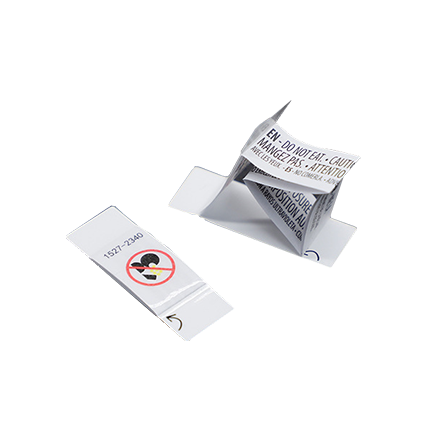
2.2 Regulatory Compliance Pressure
New regulations are pushing brands toward more transparent labeling systems. For example, chemical disclosure laws and sustainability requirements are forcing companies to redesign Packaging Labels with clearer information and compliance data.
In some regions, even household products now require warning labels for chemical ingredients such as PFAS, showing how labeling is becoming a regulatory tool, not just a branding element.:contentReference[oaicite:2]{index=2}
2.3 Digital Printing & Short-Run Demand
Brands are increasingly shifting toward short-run, high-variation label production. This is driven by seasonal packaging, SKU expansion, and fast marketing cycles. Digital printing allows faster design updates without large inventory waste.
3. Major Label Types in Today’s Market
| Label Type | Main Application | Advantages | Industry Usage |
|---|---|---|---|
| Pressure Sensitive Labels | Food, beverage, logistics | Easy application, strong adhesion, versatile | ⭐⭐⭐⭐⭐ |
| Barcode Labels | Warehousing, retail tracking | Fast scanning, high accuracy | ⭐⭐⭐⭐⭐ |
| QR Code Smart Labels | Marketing, traceability | Interactive, digital engagement | ⭐⭐⭐⭐ |
| Eco-friendly Labels | Cosmetics, food packaging | Recyclable materials, sustainability compliance | ⭐⭐⭐⭐ |
| Custom Printed Labels | Branding, promotional packaging | High visual impact, flexible design | ⭐⭐⭐⭐⭐ |
4. Technology Trends Transforming Label Manufacturing
4.1 Smart Labeling & RFID Integration
Modern labels are increasingly integrated with RFID chips and QR codes, enabling real-time tracking and digital interaction. This is especially important in pharmaceutical and logistics industries where traceability is critical.
4.2 Sustainable Materials
Sustainability is no longer optional. The market is shifting toward recyclable paper labels, water-based adhesives, and low-VOC inks. Plastic reduction and eco-material adoption are becoming standard requirements in US supply chains.
4.3 Automation & Smart Production
Label converters are adopting automated printing systems, ERP-connected workflows, and AI-based defect detection to improve efficiency and reduce human error.
5. Application Scenarios of Modern Labels
Today’s labels are widely used across multiple industries:
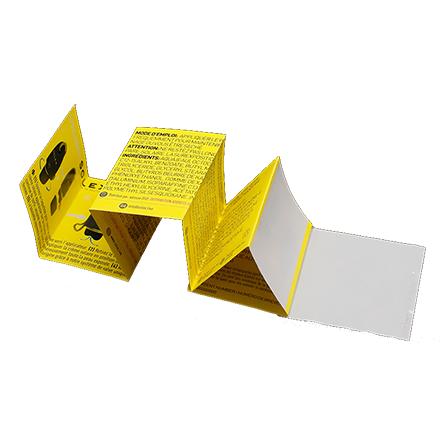
Food & Beverage: ingredient labels, nutrition facts, expiration tracking
Pharmaceutical: compliance labels, anti-counterfeit tracking
Logistics: shipping labels, barcode tracking systems
Retail: pricing labels, promotional stickers
Cosmetics: branding labels, ingredient disclosure
These applications highlight the increasing importance of label quality, adhesion performance, and print durability.
6. Why Pressure Sensitive Labels Dominate the Market
Pressure sensitive labels (PSL) remain the dominant label type in the global market due to their simplicity and versatility. They require no heat or solvent activation and can be applied instantly to almost any surface.
Industry studies show PSLs account for a major share of total label demand due to their use in high-growth sectors such as e-commerce shipping and consumer goods packaging.
Their advantages include:
Fast application speed
Strong adhesion on multiple materials
High compatibility with printing technologies
Cost-effective mass production
7. Internal Industry Insight: Why Brands Choose Jinxin Label
As global supply chains become more complex, brands increasingly require stable label suppliers who can provide:
Custom Label design support
High-speed production capability
Export-ready packaging standards
Multi-material label solutions
At Jinxin Label Products, solutions cover a wide range of applications including adhesive labels, barcode labels, and custom printed Packaging Labels designed for international markets.
For more technical insights, visit our Label Industry News Center for updates on materials, printing technologies, and global packaging trends.
Conclusion
The label industry in 2026 is no longer just about printing — it is about data, compliance, sustainability, and smart connectivity. Companies that adapt to digital printing, eco-materials, and intelligent labeling systems will dominate future supply chains.
For manufacturers like Jinxin Label, the opportunity lies in combining traditional production strength with modern digital and sustainable innovation to serve global clients more effectively.
