

 English

When ordering Custom Labels, one of the first questions buyers ask is whether digital label printing or flexographic printing is the better choice. Both technologies are widely used in the packaging industry, but each offers unique advantages depending on production quantity, artwork complexity, delivery time, and budget.
Understanding the differences between these printing methods can help businesses reduce costs while achieving better label quality. At JINXIN Label, we provide professional label printing solutions and recommend the most suitable production process based on each customer's project.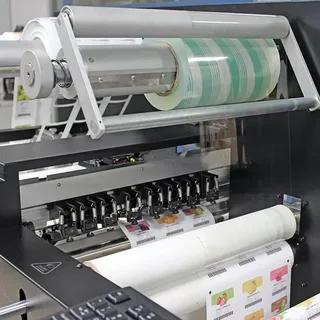
What Is Digital Label Printing?
Digital label printing transfers artwork directly from a digital file to the printing press without requiring traditional printing plates. This process significantly shortens setup time and allows labels to be printed quickly, making it ideal for small production runs, multiple designs, seasonal products, and personalized packaging.
Because no printing plates are needed, digital printing is especially suitable for companies launching new products or testing different packaging designs before mass production.
What Is Flexographic Printing?
Flexographic printing uses flexible printing plates to transfer ink onto label materials. Although initial setup requires more preparation, flexographic printing becomes highly efficient for medium and large production volumes. It offers excellent color consistency, fast production speed, and supports a wide range of materials and finishing processes.
Many food, beverage, household, and industrial products use flexographic printing for long-term, high-volume packaging projects.
Digital Printing vs Flexographic Printing
| Comparison | Digital Printing | Flexographic Printing |
|---|---|---|
| Minimum Order Quantity | Low | Higher |
| Setup Time | Very Fast | Longer |
| Best Production Volume | Small to Medium | Medium to Large |
| Variable Data Printing | Excellent | Limited |
| Unit Cost for Large Orders | Higher | Lower |
Which Printing Method Should You Choose?
If your project requires frequent artwork changes, personalized labels, or short production runs, digital label printing is often the most economical solution. It allows businesses to react quickly to market changes without investing in printing plates.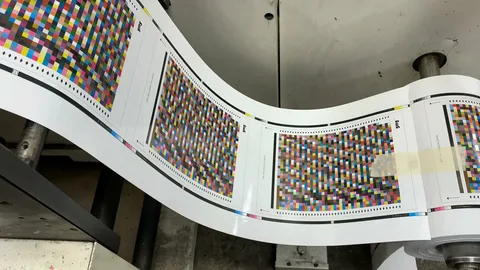
For established products with stable demand and large production quantities, flexographic printing usually provides a lower cost per label while maintaining excellent print consistency.
Applications for Both Printing Technologies
Food and beverage packaging
Cosmetic Product Labels
Pharmaceutical packaging
Health supplement labels
Industrial identification labels
Household cleaning products
Personal care packaging
Why Choose JINXIN Label?
As an experienced label manufacturer, JINXIN offers both flexible manufacturing capabilities and customized packaging solutions. Our team works closely with customers to recommend the most appropriate printing technology according to production quantity, material requirements, application environment, and budget.
From standard Packaging Labels to Multi-layer Labels and specialty label solutions, we are committed to helping brands improve packaging quality while maintaining cost efficiency.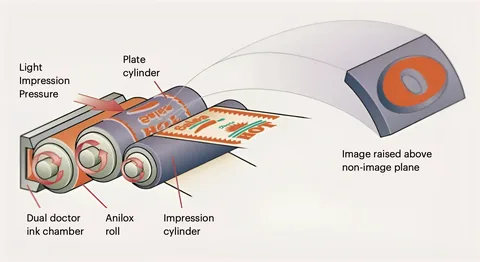
Discover more custom label solutions by visiting JINXIN Label.
Conclusion
Both digital label printing and flexographic printing have their own advantages. Choosing the right method depends on your production goals, order volume, and packaging requirements. Working with an experienced supplier ensures your labels not only look professional but also perform reliably throughout the product lifecycle.
