

 English

How to Make Custom Labels for Packaging: A Complete Guide for Businesses
Custom labels play an essential role in modern product packaging. They are not only used to display product information but also help businesses strengthen brand identity, improve customer recognition, and meet industry requirements. From food and beverages to cosmetics, electronics, and industrial products, professionally made labels have become an important part of successful product packaging strategies.
Many companies ask: How to make custom labels? The process involves much more than adding a logo and printing stickers. Professional custom labels for packaging require careful consideration of materials, adhesive performance, printing methods, finishing options, and application environments.
Whether you are launching a new product, upgrading existing packaging, or looking for a reliable label supplier, understanding the complete manufacturing process can help you choose the right solution. As an experienced custom label manufacturer, Jinxin Label provides customized label printing solutions for brands, manufacturers, and distributors worldwide.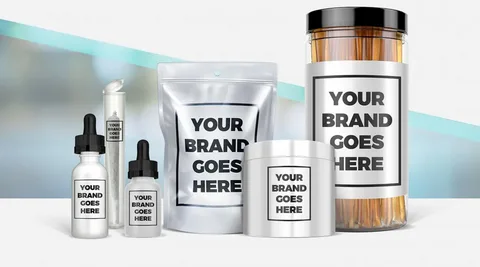
What Are Custom Labels?
Custom labels are specially designed and manufactured labels created according to a company's branding, product requirements, and packaging specifications. Unlike standard labels with fixed designs and sizes, custom labels allow businesses to control every detail, including shape, material, color, adhesive, printing technology, and finishing options.
Businesses use custom labels for different purposes, such as:
Product branding and identification
Ingredient and compliance information
Barcode and QR code printing
Promotional packaging
Product tracking and inventory management
Premium brand presentation
Common applications include:
Food Packaging Labels
Cosmetic product labels
Wine bottle labels
Jar labels
Electronic product labels
Industrial identification labels
Compared with ordinary stickers, professional Custom Label Stickers are designed according to real product conditions, ensuring better durability, appearance, and performance.
Step 1: Define Your Packaging Requirements
Before producing custom labels, businesses need to clearly define their packaging requirements. The right label solution depends heavily on where and how the product will be used.
Consider Your Product Application
Different industries require different label solutions. For example:
Food products: require safe materials, clear printing, and resistance to moisture or oil.
Cosmetics: often require premium appearance, waterproof performance, and attractive finishes.
Beverages: need labels that can withstand refrigeration and condensation.
Industrial products: may require durable materials that resist chemicals, heat, or abrasion.
Determine Environmental Conditions
The usage environment directly affects material selection. Before ordering, businesses should consider:
Indoor or outdoor application
Exposure to water or moisture
Temperature changes
Chemical contact
Storage and transportation conditions
For example, products stored in refrigerators or exposed to water often require custom waterproof labels with durable materials and strong adhesives.
Step 2: Choose the Right Label Material
Material selection is one of the most important steps when making custom labels. Different materials provide different levels of durability, appearance, and performance.
Paper Labels
Paper labels are one of the most common options for retail packaging. They offer excellent print quality and are suitable for products stored in dry environments.
Typical applications include:
Retail packaging
Product boxes
Shipping packages
General consumer products
PP Labels (Polypropylene)
PP labels provide better moisture resistance compared with paper labels. They are widely used for products that require durability and a clean appearance.
Applications include:
Cosmetic packaging
Beverage bottles
Personal care products
Food containers
PET Labels
PET labels are known for their excellent strength, temperature resistance, and durability. They are commonly used for industrial and electronic applications.
Advantages include:
High durability
Heat resistance
Excellent dimensional stability
Long service life
Vinyl Labels
Vinyl labels offer excellent flexibility and weather resistance, making them suitable for outdoor applications. Many companies choose custom vinyl labels when products need strong protection against moisture and environmental conditions.
Choosing the correct material ensures your labels maintain their appearance and function throughout the product lifecycle.
Step 3: Design Professional Custom Labels
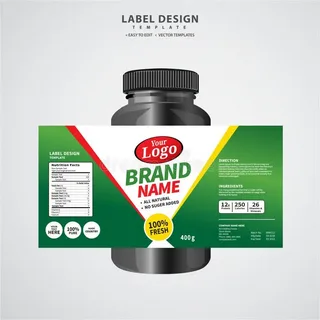
A successful label design should balance brand appearance, product information, and practical requirements. Professional Packaging Labels are designed not only to look attractive but also to communicate important information clearly.
Important design elements include:
Brand logo
Product name
Barcode or QR code
Ingredients and specifications
Certification marks
Warning information
Color and typography
For businesses selling products internationally, label design may also need to consider different market regulations and language requirements.
Professional label manufacturers can help optimize designs according to printing methods, material limitations, and final application requirements.
Step 4: Select the Right Label Printing Method
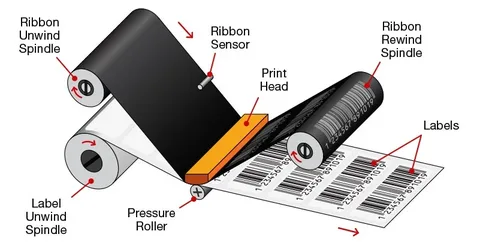
Choosing the right printing technology is an important part of producing high-quality custom labels. Different printing methods are suitable for different order quantities, design requirements, and product applications.
Digital Label Printing
Digital printing is a flexible solution for businesses that need small to medium quantities or customized designs. It allows faster production without the need for traditional printing plates, making it suitable for product launches, seasonal packaging, and brands requiring multiple label versions.
Advantages include:
Suitable for short runs
Fast production turnaround
Excellent color accuracy
Easy design changes
Suitable for variable data printing
Flexographic Printing
Flexographic printing is widely used for large-volume label production. It provides stable quality and efficient production speeds, making it a preferred option for manufacturers and established brands with regular packaging requirements.
It is commonly used for:
Food packaging labels
Beverage labels
Retail product labels
Large-scale commercial orders
Offset and Specialty Printing
For premium packaging projects, businesses may choose additional printing techniques such as offset printing, foil stamping, embossing, or special coatings to create a more attractive appearance.
These options are especially popular for:
Luxury products
Wine bottle labels
High-end cosmetics
Premium gift packaging
Step 5: Choose Between Custom Roll Labels and Sheet Labels
One important decision in label production is choosing between roll labels and sheet labels. The best option depends on your application method, production volume, and packaging process.
Custom Roll Labels
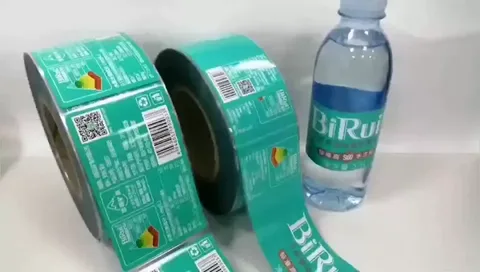
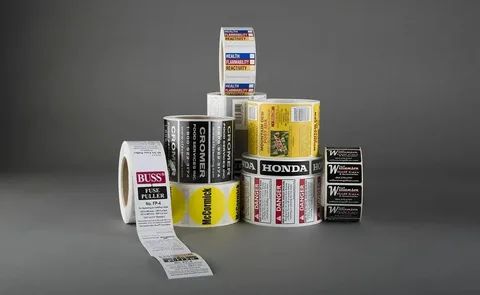
Custom roll labels are widely used by businesses with automatic labeling machines or high-volume production lines. Labels are supplied on rolls, allowing faster application and improved packaging efficiency.
Benefits include:
Compatible with automatic labeling equipment
Efficient for large production volumes
Easy storage and transportation
Consistent application speed
Industries commonly using roll labels include food manufacturing, beverage companies, cosmetics, and pharmaceutical businesses.
Sheet Labels
Sheet labels are often suitable for smaller businesses or manual labeling applications. They are convenient for low-volume projects where automated labeling is not required.
When choosing between roll and sheet labels, businesses should consider production quantity, application equipment, and future growth plans.
Step 6: Add Protective Finishes and Special Effects
Finishing options can significantly improve the appearance, durability, and premium feel of custom labels. Professional manufacturers offer different finishing solutions based on product requirements.
Common Label Finishing Options
Gloss Lamination: Creates a bright and smooth surface while improving protection.
Matte Lamination: Provides an elegant appearance and reduces reflection.
UV Coating: Enhances durability and highlights specific design areas.
Foil Stamping: Creates premium metallic effects for luxury packaging.
Embossing: Adds a three-dimensional texture to logos or patterns.
Die Cutting: Allows labels to be produced in custom shapes.
These finishing options are commonly used for premium custom wine bottle labels, cosmetic packaging, and branded products that require strong visual impact.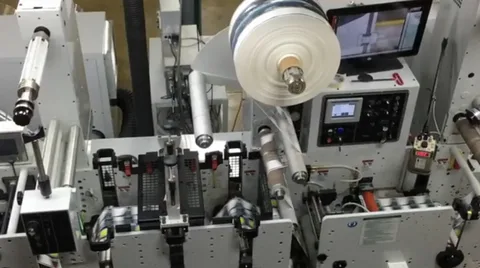
Custom Labels for Different Industries
Professional custom labels are used across many industries. Each application has different requirements for materials, adhesives, printing quality, and durability.
Custom Food Labels
Food manufacturers require labels that provide clear product information while maintaining performance in different storage conditions. Custom food labels should offer excellent print quality, reliable adhesion, and resistance to moisture, refrigeration, or oil exposure.
Common applications include:
Food containers
Frozen products
Sauce bottles
Snack packaging
Ready-to-eat meals
Custom Wine Bottle Labels
Wine brands often use labels as an important part of their marketing strategy. Premium materials, special finishes, and unique designs help products stand out on retail shelves.
Custom wine bottle labels may include:
Textured paper materials
Foil stamping
Embossed logos
Water-resistant coatings
Custom Labels for Jars
Products such as honey, jam, sauces, and cosmetics often require labels that maintain appearance on glass or plastic containers.
Custom labels for jars should consider:
Curved surface adhesion
Moisture resistance
Clear product information
Attractive shelf presentation
Waterproof and Durable Labels
For products exposed to water, chemicals, or outdoor environments, businesses often choose custom waterproof labels. These labels are designed with durable materials such as PP, PET, or vinyl to maintain performance under challenging conditions.
How Are Custom Labels Manufactured?
Working with a professional label manufacturer ensures consistent quality from design approval to final delivery. The typical production process includes:
Requirement confirmation
Artwork and design approval
Material selection
Printing production
Lamination and finishing
Die cutting
Quality inspection
Packing and shipment
During production, manufacturers check important factors such as color accuracy, label size, adhesive performance, cutting precision, and overall appearance.
Why Choose a Professional Custom Label Manufacturer?
Selecting an experienced supplier can help businesses avoid common problems such as poor adhesion, incorrect materials, inconsistent colors, or unsuitable printing methods.
A reliable manufacturer can provide:
OEM and ODM label solutions
Custom materials and sizes
Professional design support
Multiple printing technologies
Strict quality control
Flexible order quantities
Global shipping support
Jinxin Label provides customized label printing solutions for businesses that need reliable packaging labels, product identification labels, and specialty label solutions.
For more information, explore:
