

 English

As product packaging becomes more compact while regulatory requirements continue to increase, manufacturers face a common challenge: how can they provide more information without increasing package size?
The answer for many industries is the booklet label. These innovative multi-page labels combine product identification with additional pages of information, making them an ideal solution for products that require extensive instructions, multilingual content, or regulatory information.
In this guide, we'll explain what a booklet label is, how it works, where it's used, and why it's becoming a popular choice for manufacturers worldwide.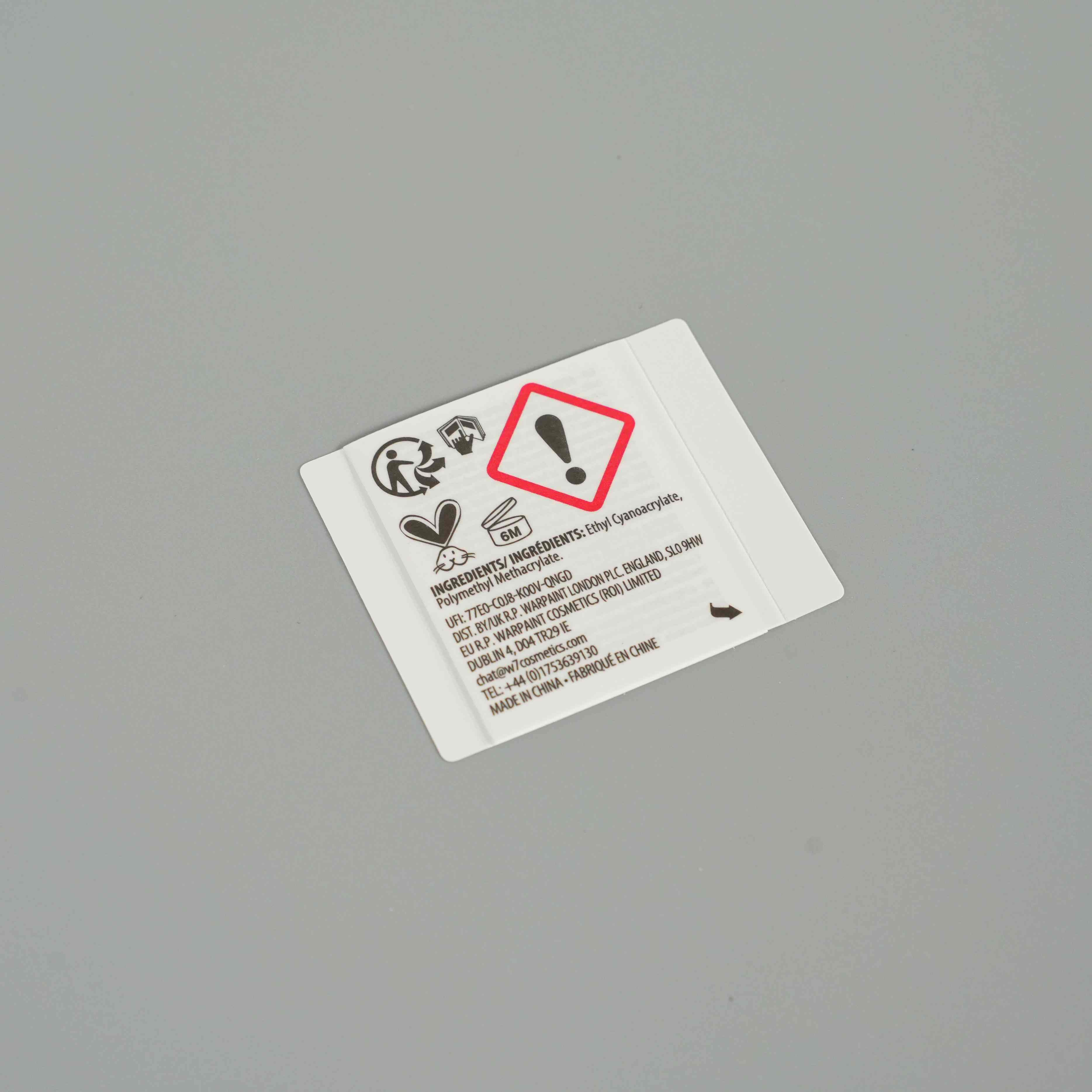
What Is a Booklet Label?
A booklet label is a pressure-sensitive label that contains multiple printed pages attached to a product. Unlike a standard adhesive label, a booklet label opens like a small booklet, allowing users to read detailed information while keeping the package clean and attractive.
The label typically consists of:
A printed cover label
One or more folded or stitched pages
A durable adhesive backing
A protective laminate or transparent film
Once closed, the booklet returns neatly to its original position without affecting the appearance of the packaging.
Why Are Booklet Labels Used?
Many industries must include large amounts of information on their products. However, limited packaging space makes this difficult.
booklet labels solve this problem by providing additional printable pages for:
Product instructions
Safety warnings
Ingredient lists
Technical specifications
User manuals
Promotional information
QR codes
Warranty details
Multilingual translations
Regulatory compliance information
Instead of enlarging the package or adding separate instruction leaflets, manufacturers can integrate everything into one convenient label.
How Does a Booklet Label Work?
A booklet label functions much like a miniature brochure attached directly to the product.
The process is simple:
The booklet is securely attached to the product with pressure-sensitive adhesive.
Consumers lift the front cover to access additional pages.
After reading, the booklet closes securely, protecting the printed information from dust, moisture, and daily handling.
Modern Booklet Labels are designed for repeated opening and closing without losing adhesion or print quality.
Key Benefits of Booklet Labels
Maximize Limited Packaging Space
One of the biggest advantages of booklet labels is their ability to provide extensive information without increasing packaging dimensions.
This is especially valuable for small containers such as:
Bottles
Tubes
Cosmetic jars
Chemical containers
Pharmaceutical packaging
Improve Regulatory Compliance
Many industries must comply with strict labeling regulations.
Booklet labels provide enough space for:
Legal disclosures
Hazard information
Product certifications
Safety instructions
International labeling requirements
Support Multiple Languages
Companies selling products globally often need to print information in several languages.
Instead of producing different packaging for each market, a single booklet label can contain multilingual instructions, reducing inventory costs and simplifying international distribution.
Enhance Brand Image
A professionally printed booklet label gives products a premium appearance while providing customers with valuable information.
High-quality printing also allows companies to showcase:
Brand stories
Product features
Usage guides
Marketing messages
Industries That Commonly Use Booklet Labels
Booklet labels are widely used across numerous industries, including:
Pharmaceutical Products
Medicine packaging often requires dosage instructions, safety information, contraindications, and regulatory content.
Agriculture
Fertilizers, pesticides, and crop protection products frequently require detailed usage instructions and safety precautions.
Food and Beverage
Manufacturers use booklet labels to include nutritional information, recipes, allergen statements, and multilingual content.
Cosmetics and Personal Care
Beauty products often include ingredient lists, application instructions, certifications, and marketing information within booklet labels.
Chemical Products
Industrial chemicals require hazard warnings, transportation information, storage guidelines, and emergency instructions.
Booklet Labels vs. Standard Labels
| Feature | Booklet Label | Standard Label |
|---|---|---|
| Information Capacity | Very High | Limited |
| Multiple Pages | Yes | No |
| Multilingual Content | Excellent | Limited |
| Product Instructions | Comprehensive | Basic |
| Marketing Space | Large | Small |
| Package Size Increase | No | May Be Required |
For products with extensive information requirements, booklet labels offer a far more practical solution than conventional single-layer labels.
How to Choose the Right Booklet Label
When selecting booklet labels for your products, consider the following factors:
Number of pages required
Label size and shape
Printing quality
Adhesive performance
Moisture and chemical resistance
Durability during transportation
Compatibility with automatic labeling equipment
Choosing an experienced label manufacturer ensures that your booklet labels meet both functional and branding requirements.
Custom Booklet Label Printing Solutions
If your products require detailed instructions, multilingual content, or regulatory information, working with a professional printing partner is essential.
JINXIN Label specializes in high-quality "https://www.jinxinlabel.com/folding-tags/folding-booklet-instruction-label/" Booklet Labels for manufacturers across a wide range of industries. With advanced printing technology and customized production capabilities, JINXIN offers booklet labels tailored to your product size, branding, and application requirements.
Whether you need labels for pharmaceuticals, food, cosmetics, agriculture, or industrial products, JINXIN provides solutions designed for durability, excellent print quality, and efficient automated labeling.
Future Trends in Booklet Labels
As global regulations evolve and consumers expect greater transparency, booklet labels continue to gain popularity.
Emerging trends include:
Sustainable label materials
Recyclable constructions
Variable data printing
QR code integration
NFC-enabled Smart Labels
Digital printing for short production runs
These innovations help brands deliver more information while improving customer engagement and supporting environmental goals.
Conclusion
So, what is a booklet label? It is a multi-page adhesive label that allows manufacturers to include detailed product information without increasing package size. From regulatory compliance and multilingual instructions to marketing content and user guides, booklet labels provide a practical and professional solution for modern product packaging.
If you're looking for reliable, high-quality booklet label printing, explore JINXIN Label's "https://www.jinxinlabel.com/folding-tags/folding-booklet-instruction-label/" Booklet Label solutions to discover customized options that combine functionality, durability, and outstanding print quality.
Frequently Asked Questions
What is the purpose of a booklet label?
A booklet label provides additional space for instructions, regulatory information, multilingual text, and promotional content without increasing package size.
What products use booklet labels?
Booklet labels are commonly used on pharmaceuticals, food products, cosmetics, chemicals, agricultural products, and household goods.
Can booklet labels be customized?
Yes. Booklet labels can be customized in size, page count, materials, adhesive type, printing process, and finishing options to suit different packaging requirements.
Are booklet labels suitable for automatic labeling?
Yes. Professionally manufactured booklet labels are designed to work with many automatic labeling machines, improving production efficiency.
What is the difference between a booklet label and a standard label?
A standard label has only one printable surface, while a booklet label contains multiple pages, allowing significantly more information to be included on the same package.
