

 English

What Is a Multi Layer Label? A Complete Guide for Product Packaging
Product Labels have evolved far beyond displaying a logo or product name. Today, manufacturers must include detailed instructions, ingredients, safety warnings, regulatory information, barcodes, and multiple languages—all while maintaining attractive packaging. This growing demand has made Multi Layer Labels one of the most practical labeling solutions across many industries.
But what is a multi layer label, and why are so many brands choosing this type of label for their products?
In this guide, we'll explain how multi layer labels work, their benefits, common applications, and how to choose the right label for your packaging needs.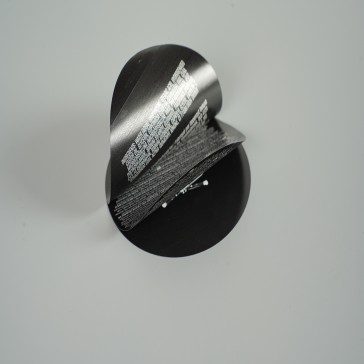
What Is a Multi Layer Label?
A multi layer label is a pressure-sensitive label made up of two or more printable layers that are laminated together. Unlike a traditional single-layer label, it allows users to peel back the top layer and access additional printed information hidden underneath.
Once opened, the label can usually be resealed, keeping the product looking neat while protecting the information inside.
Because of its space-saving design, a multi layer label can hold significantly more content without increasing the size of the product packaging.
How Does a Multi Layer Label Work?
A multi layer label is designed with multiple functional layers that work together.
The basic structure typically includes:
Top printable layer for branding and product identification
Inner information layer(s) for detailed instructions or regulatory content
Pressure-sensitive adhesive for secure attachment
Release liner to protect the adhesive before application
Consumers simply lift the designated opening tab to reveal the additional printed pages. After reading, the label can be pressed back into place, allowing repeated opening and closing without damaging the package.
Why Choose a Multi Layer Label?
More Information in Limited Space
One of the biggest advantages of multi layer labels is their ability to provide extensive product information without requiring larger packaging.
Manufacturers can include:
User instructions
Ingredients
Technical specifications
Safety warnings
Storage recommendations
Product certifications
Warranty information
Promotional messages
QR codes
Multiple languages
This is especially valuable for products with small containers where label space is limited.
Improve Regulatory Compliance
Many industries require manufacturers to provide detailed information to comply with local and international regulations.
Multi layer labels offer enough printable space for:
Hazard symbols
Chemical information
Usage instructions
Compliance statements
Batch numbers
Traceability data
This helps businesses meet labeling requirements while keeping packaging organized and easy to read.
Enhance Customer Experience
Consumers appreciate labels that provide clear instructions without cluttering the product's appearance.
A professionally printed multi layer label allows customers to easily access detailed information whenever needed while maintaining a clean and attractive package design.
Reduce Packaging Costs
Instead of enlarging containers or inserting printed leaflets, manufacturers can integrate all necessary information into a single label.
Benefits include:
Lower packaging costs
Fewer packaging components
Simplified production
Improved inventory management
More efficient labeling operations
Common Applications of Multi Layer Labels
Multi layer labels are widely used in industries where products require extensive information.
Pharmaceutical Products
Medicine packaging often includes dosage instructions, precautions, side effects, and multilingual information.
Cosmetics and Personal Care
Beauty brands use multi layer labels for ingredient lists, application instructions, certifications, and promotional content.
Food and Beverage
Food manufacturers include nutritional facts, allergen information, recipes, storage instructions, and multilingual labeling.
Chemical Products
Industrial chemicals require detailed hazard warnings, transportation guidelines, and safety instructions that can easily be accommodated within multi layer labels.
Agriculture
Crop protection products, pesticides, fertilizers, and veterinary products often require extensive regulatory information that exceeds the capacity of standard labels.
Multi Layer Labels vs. Standard Labels
| Feature | Multi Layer Label | Standard Label |
|---|---|---|
| Printable Space | Very Large | Limited |
| Multiple Pages | Yes | No |
| Reclosable | Yes | No |
| Multilingual Content | Excellent | Limited |
| Regulatory Information | Extensive | Basic |
| Product Appearance | Clean | Can Become Crowded |
For products that require detailed information without compromising package design, multi layer labels provide a far more flexible solution.
How to Choose the Right Multi Layer Label
Before selecting a multi layer label, manufacturers should consider several factors:
Product size and shape
Number of printable layers
Adhesive performance
Environmental conditions
Printing quality
Durability
Compatibility with automatic labeling equipment
Regulatory requirements
Working with an experienced label manufacturer helps ensure the label performs reliably throughout the product's lifecycle.
Custom Multi Layer Label Printing Solutions
Choosing the right printing partner is essential for achieving both functional performance and premium presentation.
JINXIN Label offers customized "https://www.jinxinlabel.com/folding-tags/folding-multi-layer-label/" Multi Layer Labels for manufacturers across industries such as food, pharmaceuticals, cosmetics, agriculture, chemicals, and consumer goods.
With advanced printing technology, high-quality materials, and flexible customization options, JINXIN provides solutions that support multilingual printing, regulatory compliance, and automated production lines while maintaining excellent print clarity and durability.
Whether you require two-layer, three-layer, or more complex constructions, JINXIN can develop a labeling solution tailored to your product and packaging requirements.
Future Trends in Multi Layer Labels
As packaging regulations become more demanding and brands seek smarter ways to communicate with consumers, multi layer labels continue to evolve.
Emerging trends include:
Eco-friendly materials
Recyclable label constructions
Digital printing
Variable data printing
QR code integration
NFC-enabled Smart Labels
Anti-counterfeiting features
These innovations help manufacturers improve both compliance and customer engagement without increasing package size.
Conclusion
So, what is a multi layer label? It is an advanced labeling solution that combines multiple printable layers into a single adhesive label, allowing manufacturers to present detailed product information while maintaining attractive packaging.
From regulatory compliance and multilingual instructions to promotional content and product traceability, multi layer labels offer exceptional flexibility for modern packaging applications.
If you're looking for high-quality Custom Labeling solutions, explore JINXIN Label's "https://www.jinxinlabel.com/folding-tags/folding-multi-layer-label/" Multi Layer Label products to discover durable, customizable labels designed to meet your industry's packaging needs.
