

 English

In today’s competitive packaging industry,information density and user experience are becoming increasingly important.Traditional single-layer labels often struggle to provide enough space for detailed product instructions,safety warnings,or multilingual content.This is where advanced labeling solutions such as Multi-layer Instruction Label technology come into play.
A Multi-layer Composite Instruction Label is designed with multiple stacked layers of material,allowing hidden content to be revealed by peeling or opening the label.This structure significantly increases available space without enlarging the label size,making it ideal for products that require extensive usage instructions,regulatory information,or promotional content.
Compared to standard labels,a Composite instruction label offers enhanced functionality and better space utilization.It is widely used in industries such as pharmaceuticals,cosmetics,chemicals,and food packaging,where compliance and clarity are essential.
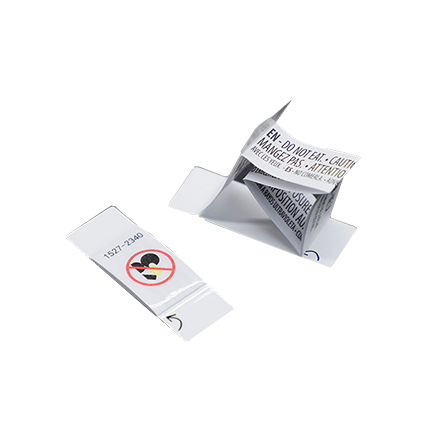
One of the most popular innovations in this field is Multi-layer peel and reveal label technology.These labels allow users to peel back one or more layers to access additional information,creating a user-friendly and interactive experience.This not only improves product communication but also enhances brand engagement.
From a production perspective,Multi-layer label printing requires precise alignment and advanced printing techniques to ensure durability and readability across all layers.High-quality materials and adhesive systems are essential to maintain stability during peeling and handling.
Another key advantage of this technology is the use of an Extended content label,which enables brands to include multilingual instructions,detailed safety guidelines,ingredient lists,and even marketing messages—all within a compact format.This is particularly valuable for export products that must meet different regulatory requirements across regions.
When comparing Multi-layer Instruction Labels vs Traditional Single-layer Labels,the benefits are clear:more information capacity,better compliance support,improved user interaction,and a cleaner packaging design.While traditional labels remain suitable for simple products,multi-layer solutions are becoming the preferred choice for complex and regulated industries.
In conclusion,multi-layer labeling technology represents the future of product packaging communication.As global markets demand more detailed and accessible product information,solutions like Multi-layer instruction label,Composite instruction label,and Multi-layer peel and reveal label will continue to play a critical role in enhancing both functionality and consumer experience.
